20% Off Dry Aged Porterhouses

0

By Flannery Team

Quick Answer

Dry aged beef is beef that has been aged in a temperature- and humidity-controlled, open-air environment for a period of weeks or months. During this process, moisture evaporates and natural enzymes break down muscle fibers, producing beef that is significantly more tender, more flavorful, and more concentrated in taste than conventionally aged (wet aged) beef.

What is Dry Aged Beef?

The ‘age’ of beef refers to the time that has elapsed from processing to consumption. Nearly all beef sold commercially has some age on it. The critical difference is how it’s aged, and that distinction changes everything about the eating experience.

There are two methods: wet aging and dry aging. Understanding what sets them apart will change the way you buy, cook, and taste beef.

Wet vs Dry Aging

Wet Aged vs Dry Aged Beef

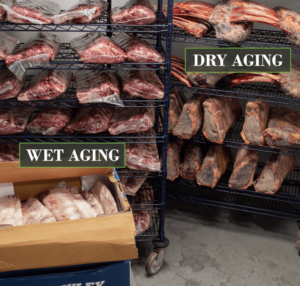
There are two types of aging – Wet Aging and Dry Aging. The main difference between the two types of aging is the presence, or lack, of oxygen. Wet Aging is done by leaving large muscle groups, called subprimals, within vacuum sealed packaging for a period of time under temperature control. Put even more simply – vacuum sealed meat, in a refrigerator – Bam, you’re wet aging. When you introduce oxygen to the meat (by removing it from the sealed packaging), you are Dry Aging.

What is the Difference Between Wet Aged and Dry Aged Beef?

The fundamental difference is oxygen. Wet aging happens inside vacuum-sealed packaging; dry aging happens in open air. Both methods tenderize the meat through enzymatic activity (proteolytic enzymes like calpains and cathepsins break down muscle fibers over time). But only dry aging transforms flavor.

Both Wet Aging and Dry Aging will increase the tenderness of the meat. Post mortem, enzymes within the meat – proteolytic enzymes such as calpains, cathepsins, and caspases, if you want to get geeky – will begin to break down the muscle fibers. The structural changes to the proteins are the main cause of tenderization during aging, and this process will happen regardless of if the subprimal is vacuum sealed, or exposed to air.
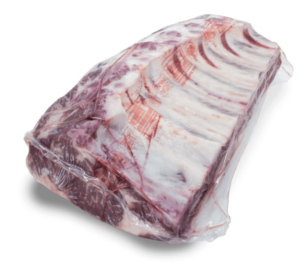
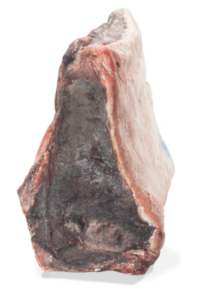
Wet Aged Bone-in Rib

When it comes to flavor enhancement, Dry Aging has the upper hand. By exposing the subprimal to oxygen, you allow two very important actions to take place. Moisture evaporates from within the muscle, and in the right environments, certain microbial elements develop. Let’s be real; that’s just a fancy way to say “mold,” which plays a key role in the flavor of finished steaks.

Wet Aged Beef Dry Aged Beef
Method Vacuum-sealed packaging, refrigerated Open air in controlled environment
Duration 4–10 days (typical) 21–60+ days
Tenderness Moderate improvement Significant improvement
Flavor Mild, metallic, “fresh” beef taste Concentrated, nutty, complex, umami-rich
Moisture Retained (juicier, less concentrated) Reduced 15–30% (more concentrated flavor)
Price Standard retail pricing Premium (accounts for yield loss and time)
Availability Most grocery stores Specialty butchers, premium online retailers


Think of it this way: wet aging is beef that’s been resting. Dry aging is beef that’s been transforming.

How Does the Dry Aging Process Work?

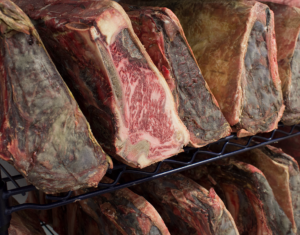
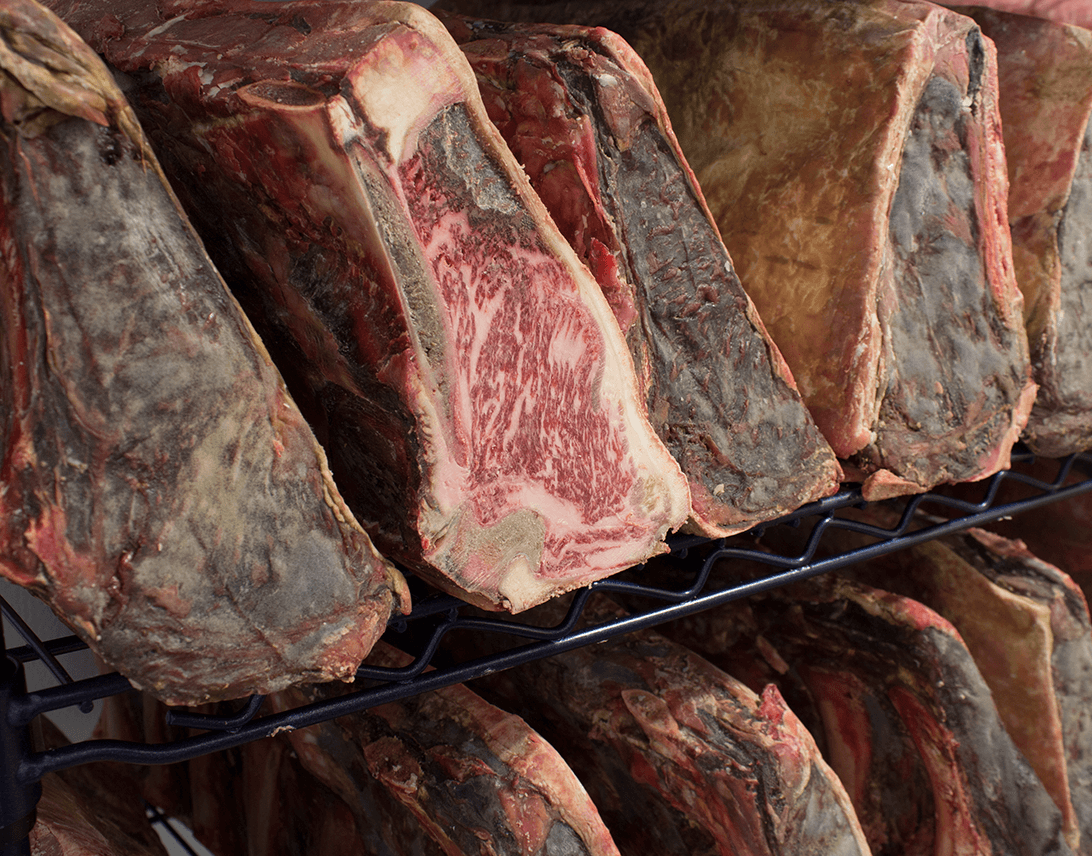
Dry Aged Bone-in Striploin

Dry aging requires precision, patience, and the right environment. Here’s what happens, step by step:

  1. Selection. Large primal cuts (typically bone-in ribeye or strip loin) are selected. Only USDA Prime or high Choice grades with sufficient marbling are candidates; lean cuts lack the fat needed to survive the aging process.
  2. Environment. Primals are placed in a dedicated aging room held at 34-38°F with 80-85% humidity and constant airflow. Temperature prevents spoilage; humidity controls the rate of moisture loss; airflow ensures even drying across all surfaces.
  3. Moisture evaporation. Over days and weeks, water slowly leaves the muscle. This concentrates the beef’s natural flavors in the same way reducing a stock into a demi-glace intensifies every note. A primal may lose 15-30% of its original weight.
  4. Enzymatic tenderization. Natural enzymes (calpains and cathepsins) break down the structural proteins in the muscle fibers, producing tenderness that no amount of mechanical tenderizing can replicate.
  5. Crust formation. The exterior develops a dark, dried crust and, in the right conditions, beneficial mold (similar to the cultures used in aged cheeses like Roquefort or Gorgonzola). This microbial activity contributes complex, earthy flavors to the finished steak.
  6. Trimming and cutting. The hardened exterior is trimmed away entirely, revealing the perfectly aged beef within. The primal is then portioned into individual steaks.

How Long Should Beef Be Dry Aged?

The ideal aging period depends on your flavor preference:

Duration Flavor Profile Best For
21–28 days Noticeably more tender with clean, intensified beef flavor. Subtle nuttiness. First-time dry aged beef buyers; those who want improvement without unfamiliar flavors
30–45 days Rich, nutty, complex. The “sweet spot” for most dry aged beef enthusiasts. Experienced steak lovers; the standard at most high-end steakhouses
60+ days Intensely funky, earthy, almost cheese-like. Polarizing but deeply rewarding for fans. Adventurous palates; dry aging aficionados

The exterior of the meat takes the brunt of the dry aging process – when enough time has passed, the exterior is trimmed, revealing the perfectly aging steak within


At Flannery Beef, our standard dry aging window is 30 days on the bone, which we’ve found strikes the ideal balance of tenderness, flavor concentration, and depth. We also offer extended aging options for customers who want to push further.

What Cuts of Beef Are Best for Dry Aging?

Not every cut can be dry aged successfully. The best candidates share two characteristics: significant marbling (intramuscular fat) and a bone or fat cap that protects the muscle during the aging process.

  • Bone-in Ribeye (best choice): Exceptional marbling, the rib bone protects one side, and the fat cap shields the top. The spinalis (rib cap) becomes extraordinary when dry aged.
  • Bone-in New York Strip: Leaner than ribeye, so the flavor concentration from moisture loss is especially noticeable. A dry aged strip has the clean, bold character of a strip with added depth.
  • Porterhouse: Combines a dry aged strip and filet in one cut. The T-bone protects the center during aging.
  • Standing Rib Roast: A whole bone-in rib section, dry aged. The showpiece for holiday dinners and serious entertaining.

Cuts without bone or adequate fat coverage (filet mignon, flank, skirt) lose too much yield during the aging process and are not ideal candidates for dry aging.

Is Dry Aged Beef Worth the Price?

Dry aged beef costs more than standard beef, and for good reason. The process requires weeks of dedicated cold storage space, constant environmental monitoring, and significant yield loss (15-30% of the original weight is trimmed away). A 20-pound primal may yield only 14 pounds of sellable steak.

For home cooks and culinary enthusiasts who value flavor above all else, dry aged beef delivers an experience that conventionally aged beef simply cannot. The concentrated, complex flavors, the superior tenderness, the depth that transforms a Tuesday night steak into a restaurant-quality moment: that’s what you’re paying for.

How Should You Cook Dry Aged Beef?

Dry aged steaks are already more flavorful and tender than their wet aged counterparts, so the cooking approach should let the beef speak for itself:

  • Season simply. Kosher salt and freshly cracked black pepper. The aging has already done the work of building flavor.
  • Use high heat. Cast iron or a hot grill. The reduced moisture means you’ll get an exceptional sear.
  • Don’t overcook. Medium-rare (130°F) preserves the nuanced flavors that weeks of aging produced.
  • Rest before cutting. 5-7 minutes minimum. With less free moisture in the muscle, resting is even more critical to a juicy result.

Frequently Asked Questions About Dry Aged Beef

What does dry aged beef taste like?

Dry aged beef has a richer, more concentrated flavor than standard beef. At 30 days, expect nutty, buttery notes with significantly more depth. At 45+ days, the flavor becomes earthier and more complex, with characteristics sometimes compared to aged cheese or charcuterie. The tenderness is noticeably superior across all aging periods.

Does dry aged beef smell different?

Yes. Dry aged beef has a deeper, earthier aroma than fresh beef. This is normal and a sign of proper aging. The scent should be rich and appealing, like aged cheese or cured meat. If it smells sour, ammonia-like, or rancid, the beef was not aged properly.

Can you dry age beef at home?

It’s technically possible with a dedicated refrigerator, a wire rack, and careful temperature/humidity monitoring, but it’s difficult to replicate the controlled conditions of a professional dry aging room. Inconsistent environments lead to spoilage rather than aging. For most home cooks, buying from a trusted dry aging specialist is the better path to a great steak.

How can you tell if dry aged beef has gone bad?

Properly dry aged beef will have a dark, dry exterior crust that looks unappealing but is completely normal (it gets trimmed away). Signs of spoilage include a sour or ammonia smell, a slimy or sticky surface after trimming, or green/black discoloration beneath the crust. Trust your nose: aged beef smells rich and earthy, not unpleasant.

Where can you buy dry aged beef online?

Look for a retailer that specializes in dry aging rather than one that offers it as an afterthought. Key indicators of a quality source: they age on-site (not purchasing pre-aged product), they specify the aging duration, they use USDA Prime grade beef, and they can speak to their process in detail. Flannery Beef has been dry aging USDA Prime beef in-house since 1963, supplying Michelin-starred restaurants and shipping directly to home cooks nationwide.

About this guide: Written by Katie Flannery, third-generation butcher and COO of Flannery Beef (San Rafael, CA). The Flannery family has been in the beef business since the 1930s, when Bryan Flannery Sr. apprenticed under French butcher Henry Bercut at Grant Market. Today, Flannery Beef is a USDA-certified purveyor of prime dry aged beef, aging in-house and supplying Michelin-starred restaurants and discerning home cooks since 1963. Expertise derived from three generations of butchery, proprietary dry aging operations, and direct sourcing relationships.